
Construction and property maintenance in Pittsburgh are endeavors that do not simply pause because the calendar has turned to January or February. The region is known for its rugged terrain and even more rugged weather patterns, presenting a unique set of challenges for any contractor attempting to maintain a schedule through the winter months. When the temperature plummets and precipitation shifts from rain to sleet, snow, or freezing rain, the dynamics of a job site change instantly. Managing these conditions is not just about keeping a project moving forward; it is about ensuring the absolute safety of the crew, the integrity of the materials being installed, and the protection of the client’s property. Operating in these conditions requires a level of logistical planning and experience that goes far beyond fair-weather construction practices. It involves a constant assessment of the environment and a rigid adherence to safety protocols that account for the reduced traction, visibility, and thermal comfort associated with winter work.
The reality of working through a Pennsylvania winter is that ice and snow are not merely nuisances; they are active hazards that alter the physics of the job site. Heavy machinery behaves differently in the cold, materials cure at different rates, and the ground itself changes in density and stability. Navigating these variables distinguishes a professional operation from one that takes unnecessary risks. At RMK Concrete Services, the approach to winter work is systematic. It begins long before the trucks roll out in the morning, involving detailed weather monitoring and site preparation strategies designed to mitigate the impact of the elements. Whether it is an excavation project, emergency repair, or a scheduled installation that must be completed despite the forecast, handling the job site conditions correctly is the only way to deliver quality results without compromising safety or efficiency.
Prioritizing Crew Safety and Site Accessibility
The primary concern when snow and ice blanket a job site is the safety of the workforce. Construction sites are inherently filled with potential hazards, such as uneven ground, heavy equipment, and power tools. When you add a layer of ice or hidden snowpack to the equation, the risk of slip-and-fall accidents increases exponentially. To combat this, the first task upon arrival at any winter job site is establishing a safe perimeter and access path. This is not simply a matter of kicking snow aside; it involves the strategic clearing of walkways, staging areas, and equipment paths. Crew members are equipped with appropriate winter gear that provides thermal insulation without sacrificing the mobility needed to perform precise tasks. High-traction footwear is mandatory, as the ability to maintain stable footing while carrying materials or operating controls is non-negotiable.
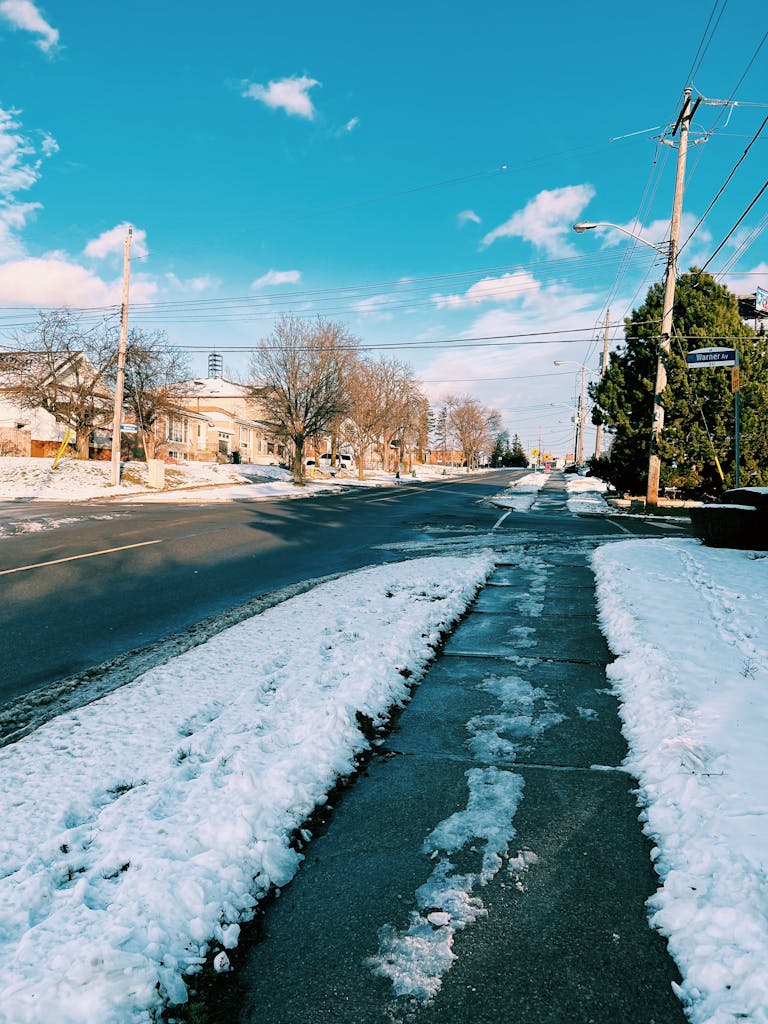
Accessibility extends beyond just foot traffic. Getting heavy trucks, excavators, and concrete mixers into a site situated on a steep Pittsburgh hill during winter requires careful planning. If a driveway or access road is covered in sheet ice, it effectively becomes a barricade. Our teams often have to coordinate plowing and salting operations specifically for the access route before any actual construction work can begin. This might involve laying down granular grit to improve traction for tires and tracks or using calcium chloride to melt thick ice patches that could cause a vehicle to slide. Ensuring that emergency vehicles could access the site if necessary is also a critical component of the daily site assessment. If the site cannot be made safe for entry and exit, the work is postponed. The decision-making process is always rooted in the understanding that no deadline is worth risking the physical well-being of the team or the public.
Managing Heavy Equipment in Freezing Temperatures
Machinery is the backbone of modern construction, but heavy equipment is surprisingly sensitive to extreme cold. Diesel engines, hydraulic systems, and pneumatic tires all struggle when the mercury drops below freezing. Managing job site conditions involves a rigorous maintenance routine to ensure that excavators, skid steers, and dump trucks remain operational and safe. In cold weather, hydraulic fluid thickens, which can make the controls of an excavator feel sluggish or unresponsive until the machine has properly warmed up. Operators are trained to spend extra time in the morning allowing their machines to idle and cycling the hydraulics to bring fluids up to operating temperature. This prevents sudden mechanical failures that could leave a heavy load suspended or cause a machine to lurch unexpectedly.
Need your driveway plowed this winter? Click here for our snowplowing service.
Tires and tracks also require special attention on icy job sites. Rubber tires become harder and less pliable in the cold, reducing their grip on the terrain. On sloped sites, which are common in our area, a loss of traction can result in a piece of equipment sliding uncontrolled. To mitigate this, we inspect tires daily for proper inflation and tread depth, and in severe conditions, we may utilize tire chains or specialized tracks designed for snow and ice. Furthermore, parking heavy equipment requires forethought in winter. Machines must be parked on flat, stable ground, often on top of wooden planks to prevent the tracks or tires from freezing to the soil overnight. If a machine freezes to the ground, attempting to move it can strip the treads or damage the drive motors. Preventing these issues is part of the daily shutdown protocol, ensuring that the site remains functional for the next day’s operations.
Dealing with Frozen Ground and Excavation
Excavation is one of the most challenging tasks to perform during a Pittsburgh winter because the ground itself changes character. Frost penetration can turn ordinary soil into a material as hard as concrete. Digging through frozen ground requires more power and often specialized attachments, such as frost teeth or hydraulic hammers, to break through the frozen crust. This changes the job site conditions significantly, as the excavation process becomes slower and more vibration-intensive. RMK Concrete Services plans for these conditions by allocating additional time and resources to ground-breaking activities. We also have to manage the soil that is removed. Excavated soil that contains moisture will freeze into unmanageable clumps once exposed to the air, making it unsuitable for backfilling immediately.
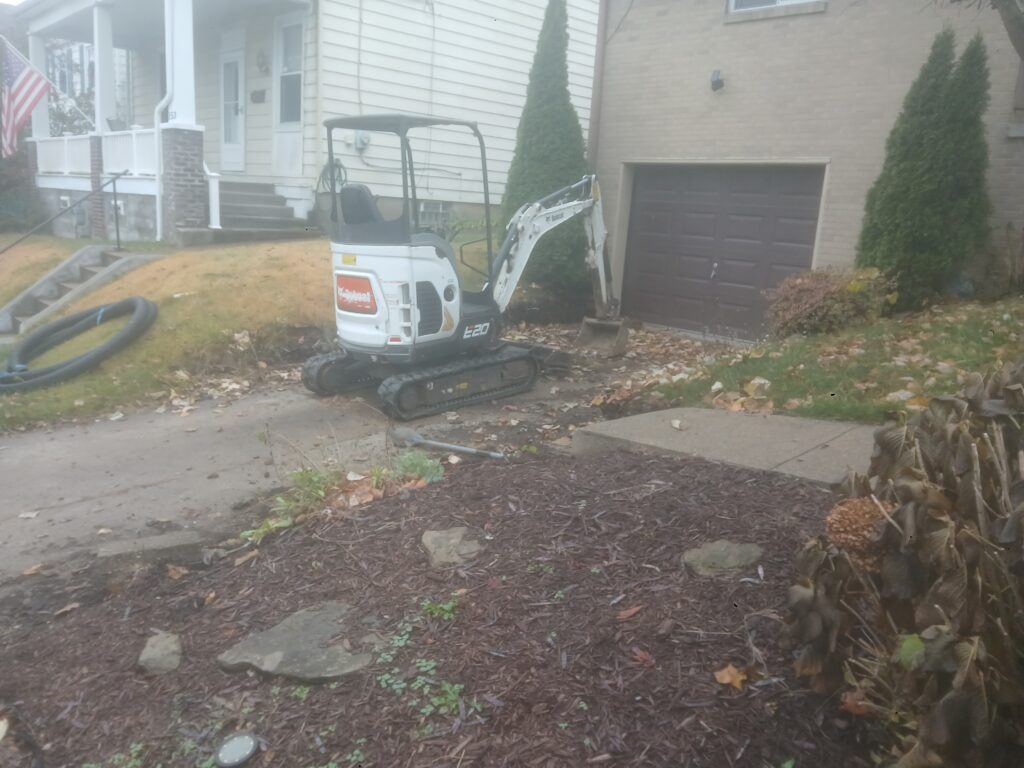
When trenching or digging foundations in winter, we also have to protect the bottom of the excavation from freezing. If the soil at the base of a foundation trench freezes, it will heave, and when it eventually thaws, it will settle, potentially cracking the new structure built on top of it. To prevent this, we utilize insulating blankets or straw to cover exposed ground immediately after digging. This traps the earth’s natural heat and prevents the frost from penetrating deeper. Managing the site conditions means constantly fighting against the cold to keep the sub-grade stable. It is a game of timing where we minimize the duration that soil is left exposed to the elements. This attention to detail ensures that even projects started in the depths of winter have a solid, stable foundation that will not shift when the spring thaw arrives.
Concrete and Material Handling in Winter
Handling construction materials, particularly concrete and mortar, requires a scientific approach when job site temperatures are near or below freezing. Concrete contains water, and if that water freezes before the concrete has cured, the crystalline structure of the material is destroyed, reducing its strength by up to fifty percent. Managing a job site during a winter pour involves strict thermal controls. We monitor the temperature of the substrate, the ambient air, and the material itself. We never pour concrete onto frozen ground or into a form filled with snow or ice. This would immediately shock the mix and prevent proper bonding. Instead, we may use ground heaters or enclosures to thaw the earth before the truck arrives.
Once the material is placed, the battle against the cold continues. The curing process is a chemical reaction that generates heat, but in extreme cold, this internal heat is stripped away too quickly. To handle this, we employ insulating blankets and, in some cases, external heating sources to maintain the necessary temperature range for curing. We also modify the concrete mix design, often using warm water or accelerating admixtures that speed up the set time, reducing the window of vulnerability to freezing. Managing these materials is not just about following manufacturer instructions; it is about reading the specific conditions of that day at that specific site. Wind chill, humidity, and cloud cover all affect how materials behave. Our team is trained to recognize when conditions are too severe to proceed and when we can safely move forward with the right protections in place.
Snow Removal and Ice Management Strategies
An active job site must be kept clear of snow and ice not only for safety but also for the quality of the work. However, the methods used to remove snow on a construction site differ from clearing a residential driveway. We have to be incredibly careful not to damage the work in progress or the client’s existing landscape. Using heavy plows in tight spaces requires skilled operators who know exactly where the edges of the pavement, garden beds, and utility markers are buried under the white powder. We often utilize smaller, more agile equipment or manual labor to clear sensitive areas to avoid gouging surfaces or tearing up turf.
Want to know the 5 signs your driveway needs full replacement? Click here for more information.
Ice management is equally critical. While salt is the go-to solution for public roads, it can be damaging to fresh concrete and masonry. On a job site where we are installing new hardscaping, we avoid using sodium chloride on the new surfaces. Instead, we may use sand for traction or alternative de-icers that are less aggressive chemically. We also have to manage the runoff from melting snow. If we create a pile of snow that melts during the day, that water will flow across the site. If it flows over a work area and refreezes at night, it creates a new hazard or damages the installation. Part of our site management involves strategic snow piling, ensuring that meltwater drains away from the work zone and away from the client’s foundation. This water management is a continuous process that changes with the daily temperature fluctuations.
Protecting the Client’s Property
Winter job site management also focuses heavily on protecting the homeowner’s property from the collateral damage that winter construction can cause. The ground is often wet and soft during thaw cycles, or hard and slick during freeze cycles. Driving heavy trucks over a lawn in winter can cause deep ruts that ruin the landscaping. To prevent this, we utilize ground protection mats that distribute the weight of the machinery and prevent tires from sinking into the mud or tearing up the grass. These mats also provide a stable platform for equipment to operate on, which is safer for the crew.

Furthermore, we are mindful of the mess that winter sites generate. Mud and slush are inevitable, but tracking them onto the client’s driveway or street is preventable. We establish clean-out areas where tires and boots can be scraped before leaving the work zone. We also take care to cover any materials stored on site. Pallets of stone, bags of cement, or lumber must be kept dry and free of ice. A tarp that blows off in a winter storm exposes expensive materials to ruin. Our crews check and secure all material stockpiles at the end of every shift, ensuring that everything is tied down and protected against wind and precipitation. This respect for the site and the materials reflects our commitment to professionalism, regardless of how difficult the weather conditions become.
Communication and Schedule Flexibility
One of the most important aspects of handling job site conditions in winter is managing the schedule and communicating effectively with the client. Winter weather in Pittsburgh is unpredictable. A forecast for light snow can turn into a major accumulation, or a warm front can turn a frozen site into a mud pit overnight. RMK Concrete Services operates with a transparent approach to these delays. We build flexibility into our winter schedules to account for “weather days” where work simply cannot proceed safely or effectively. We do not force a job to continue if the conditions will compromise the quality of the final product.
We keep our clients informed about how the weather is affecting their specific project. If we have to pause work because the temperature is too low for the concrete to cure properly, we explain the science behind that decision. It is better to wait for a window of favorable weather than to rush a job and have it fail a year later. This communication builds trust. Clients understand that when we are on site, we are working efficiently, and when we are not, it is because we are protecting their investment. We also communicate regarding site conditions during non-working hours, advising clients on safe areas to walk and areas to avoid until the project is completed.
Navigating the complexities of a construction site during a Pittsburgh winter is a task that demands vigilance, expertise, and a refusal to cut corners. At RMK Concrete Services, we view winter conditions not as an excuse for lower standards, but as a challenge to be met with superior planning and execution. From the moment we step onto a frozen site, our focus is on neutralizing the hazards posed by ice and snow. We protect our crew with the right gear and safety protocols, ensuring that everyone goes home safe at the end of the day. We maintain our equipment meticulously to prevent mechanical failures in the cold, and we treat every material with the care required to ensure it performs as intended despite the temperature.
The effort we put into managing job site conditions—from strategic snow removal and ground protection to thermal controls for curing concrete—is ultimately about delivering a product that stands the test of time. We understand that our clients rely on us to improve their properties, regardless of the season. By respecting the power of the elements and adapting our methods to suit the environment, we ensure that our winter projects are built with the same durability and precision as those constructed in the height of summer. When you see an RMK crew working through the chill of winter, you are seeing a team dedicated to doing the job right, safely, and effectively, no matter what the forecast holds.