
Walking into your garage is such a routine part of daily life that you likely do not pay much attention to the floor beneath your feet. It is just a utilitarian surface meant to hold your car, your tools, and the overflow of storage bins that do not fit in the basement. However, one day, as you are sweeping out the winter salt or looking for a dropped screw, a jagged line catches your eye. A crack has appeared in the concrete slab. For many homeowners in Pittsburgh, this discovery triggers immediate anxiety. Does this mean the foundation is failing? Is the house sinking? Will it be expensive to fix? While concrete is exceptionally durable, it is not immune to the forces of nature, time, and physics. Cracks in a garage floor are incredibly common, and while they are often unsightly, they do not always signal a catastrophic structural failure. Understanding the different types of cracks and what causes them is the first step in determining whether you are dealing with a simple cosmetic blemish or a more serious issue requiring professional intervention.
Concrete is a rigid material that does not stretch or bend easily. When it is subjected to stress—whether from shrinking as it dries, the ground moving beneath it, or the heavy load of a vehicle—it relieves that stress by cracking. In the context of our local environment, where temperature fluctuations and moisture levels vary wildly throughout the year, the stresses on a garage slab are significant. The soil in western Pennsylvania can be clay-heavy and prone to expansion and contraction, which adds another layer of complexity to the life of a concrete floor. By learning to “read” the cracks in your garage, you can gain valuable insight into the health of your home’s foundation and make informed decisions about maintenance and repair.
The Reality of Plastic Shrinkage
One of the most common reasons for cracks to appear in a relatively new garage floor is a phenomenon known as plastic shrinkage. Concrete is a mixture of water, cement, and aggregate. For the concrete to be pourable and workable, it often contains more water than is strictly necessary for the chemical hydration process. As the concrete cures and hardens, this excess water evaporates. As the water leaves the slab, the volume of the concrete decreases, causing the entire slab to shrink slightly. Since the concrete is a solid mass trying to occupy less space, it pulls apart, creating fine, hairline cracks. These cracks can look like a spiderweb or run in long, thin lines across the surface. They typically appear within the first few months to a year after the floor is poured.
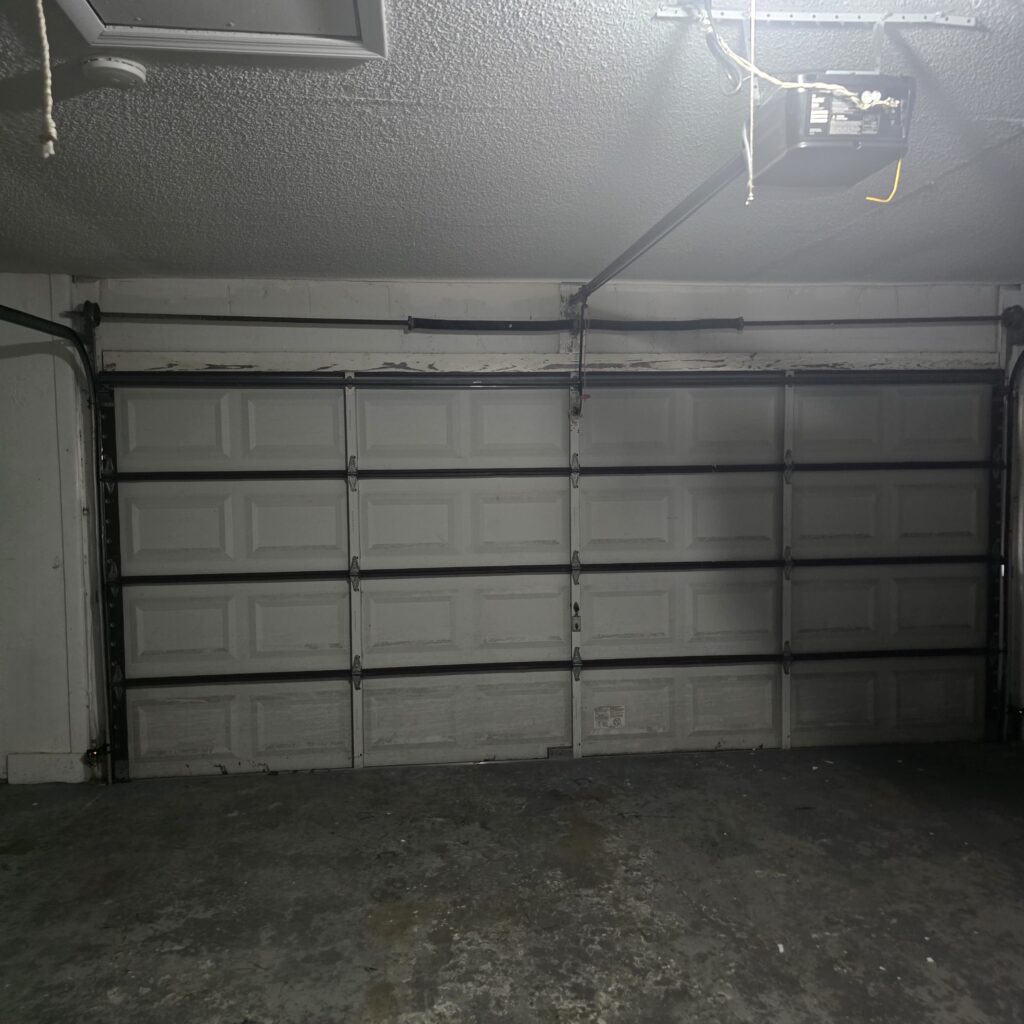
While shrinkage cracks can be frustrating to see in a new home or a freshly poured garage, they are rarely a structural concern. They usually do not extend through the full depth of the slab and do not indicate that the ground beneath the garage is moving. However, just because they are cosmetic does not mean they should be ignored entirely. Even fine hairline cracks can become gateways for water to penetrate the slab. In a garage environment, where wet cars drip melting snow and road salts, this moisture can seep into shrinkage cracks and freeze, potentially widening them over time. Sealing these cracks is often a straightforward maintenance task that preserves the look of the floor and prevents minor surface issues from evolving into larger problems down the road.
Settlement and Ground Movement
A more concerning type of cracking occurs when the ground beneath the garage floor shifts or settles unevenly. This is known as settlement cracking. Before a garage floor is poured, the soil underneath—the sub-base—must be properly compacted to provide a stable, level foundation. If this soil was not compacted correctly, or if it consists of materials that naturally compress over time, voids can form under the slab. As the heavy concrete floor bridges these voids, gravity eventually wins. The slab sinks into the empty space, and because concrete cannot bend, it snaps. Settlement cracks are typically wider than shrinkage cracks and often result in one side of the crack being lower than the other.
Need your garage floor done? Click here for our garage floor service.
In Pittsburgh, settlement issues can also be exacerbated by erosion. If drainage around the home is poor, rainwater or snowmelt can wash away the soil beneath the garage floor, undermining its support. You might notice that a section of the floor near the garage door has sunk or that a crack runs across the middle of the room where the weight of the vehicles is concentrated. Settlement cracks indicate a structural deficiency in the support system of the floor. Unlike shrinkage cracks, these fissures often go all the way through the slab. If left unaddressed, the settling can continue, leading to significant displacement where sections of the floor become uneven trip hazards. Correcting this often requires more than just a surface patch; it may necessitate mud-jacking or soil stabilization to restore support to the slab.
The Impact of Freeze-Thaw Cycles
Our region is notorious for its freeze-thaw cycles, and your garage floor is not exempt from their effects. Even though the garage is a covered space, it is typically unheated and exposed to the ambient temperature. Furthermore, the slab sits directly on the ground, which holds moisture. When the water in the soil beneath the garage freezes, it expands. This expansion creates upward pressure on the concrete slab, a force known as frost heave. The pressure can be immense, strong enough to lift the entire floor or crack it if the lifting is uneven. When the ground thaws in the spring, the soil settles back down, but the cracked concrete does not heal itself.

Heaving cracks often look like a ridge or a bump in the floor during the winter months, which may subside slightly in the summer. However, the recurring movement fatigues the concrete, leading to jagged, multi-directional cracking. This problem is particularly acute near the garage door, where the frost line penetrates deeper under the apron and the front edge of the slab. If the garage foundation walls do not extend below the frost line, or if the slab was poured without adequate drainage layers beneath it, frost heave can cause significant damage over just a few winters. Dealing with these cracks requires addressing the moisture issue in the soil, as simply filling the crack will not stop the ground from moving again next winter.
Construction Flaws and Lack of Control Joints
Sometimes, the cracks in a garage floor are the legacy of poor construction practices. One critical element in concrete floor design is the control joint. These are the straight lines or grooves you see cut into sidewalks and driveways. Their purpose is to encourage the concrete to crack in a specific, controlled location rather than randomly across the surface. Essentially, the builder is telling the concrete where to crack so that it does not become an eyesore. If a garage floor was poured as one massive, continuous slab without enough control joints, the concrete will create its own stress relief points. Unfortunately, these natural relief points rarely follow straight lines and often run diagonally across the most visible parts of the floor.
Another construction-related issue is the use of an improper concrete mix. If the contractors added too much water to the mix to make it easier to pour and spread, the concrete becomes weaker and more prone to cracking as it cures. Similarly, if the rebar or wire mesh reinforcement was not positioned correctly—for example, if it ended up lying on the bottom of the sand base rather than being suspended in the middle of the slab—it provides little to no structural benefit. Cracks resulting from these flaws often appear early in the life of the garage and can be extensive. They are a sign that the material itself is struggling to handle the internal tensions and external loads placed upon it. While you cannot go back and repour the floor without great expense, knowing that the cause lies in the original construction helps set realistic expectations for repair and resurfacing.
Drainage and Hydrostatic Pressure
Water is the enemy of all masonry, and its influence on garage floors is profound. Aside from erosion washing away the sub-base, water can exert hydrostatic pressure. If the water table is high or if heavy rains saturate the ground around your home, the water pressure in the soil increases. This pressure pushes up against the bottom of the garage floor. If the pressure becomes great enough, it can snap the concrete slab. These cracks often weep water, leaving the garage floor damp or creating efflorescence—a white, powdery mineral deposit—along the crack lines.
Poor exterior drainage is a frequent culprit. If your downspouts discharge right next to the garage or if the grading of your yard slopes toward the driveway, water is being directed under the slab. Over time, this constant saturation weakens the soil bearing capacity and keeps the concrete in a state of stress. Addressing these cracks effectively often involves looking outside the garage. extending downspouts, installing French drains, or regrading the landscape may be necessary to relieve the hydrostatic pressure. If you seal a crack that is caused by water pressure without fixing the drainage, the water will simply find another weak point to break through, or the pressure will build up until it pops the new sealant out.
Heavy Loads and Usage
Garage floors are designed to support the weight of vehicles, but they have limits. Standard residential concrete slabs are typically four inches thick with a compressive strength suitable for cars and light trucks. However, if you use your garage for heavy equipment storage, large woodworking machinery, or if you park exceptionally heavy vehicles like large RVs or commercial work trucks inside, you may be exceeding the load capacity of the floor. Cracking caused by overloading often appears as a web of fine cracks radiating outward from where the tires sit or where heavy equipment is stationed.
Impact damage is another form of usage-related cracking. Dropping a heavy engine block, an anvil, or even a large dumbbell can create a star-shaped crack at the point of impact. While these are usually localized, they can compromise the surface and allow moisture to penetrate. Over time, freezing and thawing can turn a small impact crack into a larger crater. Evaluating how you use your garage is important. If the floor was not engineered for the heavy-duty tasks you are performing, cracking is an inevitable result of the material being pushed beyond its design specifications. In such cases, repair might involve cutting out the damaged section and pouring a thicker, reinforced pad to handle the specific load.
Cracks in a garage floor are a language of their own, telling the story of the soil, the season, and the construction history of your home. While it is easy to panic at the sight of a fissure running across the concrete, understanding the context is key. Most cracks are benign, resulting from the natural shrinkage of the material or minor settling that stabilizes over time. These issues can often be managed with simple cosmetic repairs and routine maintenance. However, cracks that are wide, uneven, or actively weeping water serve as warning signs of deeper structural or drainage issues that could threaten the integrity of the garage.
Ignoring these signs can lead to accelerated deterioration, where a simple crack evolves into a heaving slab or a sunken floor that impedes the function of the garage doors. By keeping an eye on the changes in your floor and addressing moisture issues promptly, you can extend the lifespan of the concrete significantly. Whether it is sealing a hairline fracture to keep salt out or consulting a professional to stabilize a sinking corner, taking action preserves the value of your property. Your garage floor works hard every day; giving it the attention it deserves ensures it will continue to provide a solid foundation for your home and vehicles for years to come.