
As the harsh winter season in Pittsburgh finally begins to recede, revealing the gray landscape of early spring, homeowners are often greeted by an unwelcome sight on their driveways and sidewalks. The retreating snow and ice expose the toll that months of freezing temperatures and precipitation have taken on paved surfaces. Cracks that were non-existent or barely visible in the autumn now jaggedly scar the concrete or asphalt, serving as a visual record of the freeze-thaw cycles that define our local climate. While the natural inclination might be to ignore these fissures or postpone dealing with them until the warm embrace of summer is fully established, timing is a critical factor in pavement maintenance. Understanding when to repair these winter-inflicted wounds is essential for preserving the structural integrity of your property and avoiding the exponential costs associated with full-scale replacement.
The urgency of repairing winter cracks stems from the very nature of how they formed. These are not merely surface blemishes but are often symptoms of deeper stress within the material or the sub-base that supports it. In Pennsylvania, the ground does not simply freeze once and stay frozen; it fluctuates, heaving and settling repeatedly. This movement creates voids and weak points that are aggressively exploited by water. When you spot a new crack in March or April, you are looking at an open wound in your driveway’s defense system. Leaving it unattended during the rainy spring season allows moisture to penetrate deep into the foundation, softening the soil and further destabilizing the slab. The window for effective repair is finite, and seizing it requires a proactive mindset that prioritizes long-term durability over short-term convenience.
The Mechanics of Post-Winter Deterioration
To understand why prompt repair is necessary, one must appreciate what is happening microscopically within the pavement materials. Concrete and asphalt are durable, but they are not invincible. During the winter, water seeps into the porous structure of the pavement. When the temperature drops, that water freezes and expands, creating internal pressure that forces the material apart. Once the ice melts, it leaves behind a slightly wider gap than existed before. This process repeats dozens of times over a single winter. By the time spring arrives, the material surrounding a crack is often micro-fractured and weakened, even if it looks relatively solid to the naked eye.
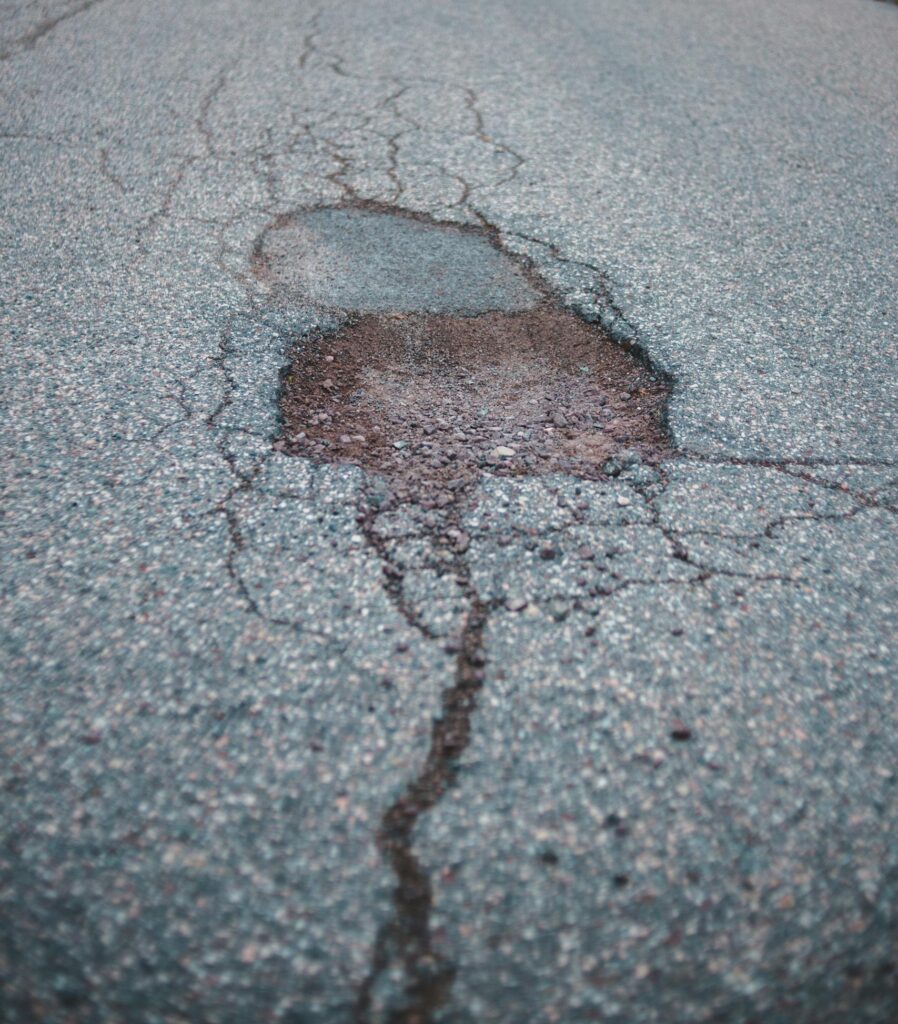
If these weakened areas are not stabilized quickly, the deterioration accelerates rapidly. The vibration from vehicles driving over a compromised section of asphalt or the foot traffic on a cracked sidewalk slab causes the loose aggregate to grind against itself. This internal friction breaks down the binder or cement paste, causing the crack to widen and spall at the edges. What starts as a clean, singular fracture can quickly turn into a web of alligator cracking or a pothole as the material crumbles under load. Addressing the crack while the edges are still sharp and the surrounding material is intact allows for a much more effective bond with repair materials, restoring the monolithic strength of the surface.
Evaluating the Severity of Spring Damage
Not all cracks are created equal, and distinguishing between minor cosmetic issues and serious structural threats is a vital part of the assessment process. Hairline cracks, which are often caused by surface shrinkage, might seem innocuous, but they are the gateways for water infiltration. In the context of a Pittsburgh spring, which is often characterized by heavy rainfall, these tiny fissures act as channels that direct water straight to the sub-base. If the sub-base becomes saturated, it loses its load-bearing capacity. A heavy vehicle driving over a concrete slab with a saturated base can cause the slab to tilt, sink, or snap. Therefore, even small cracks discovered in the spring should be evaluated for their potential to let water in.
Wide cracks, or those where one side of the pavement is higher than the other, signal that the sub-base has already been compromised or that the ground has heaved significantly. These require immediate attention because they present safety hazards and liability issues, particularly on public-facing sidewalks. If a crack is wider than a quarter of an inch, it is no longer just a surface issue; it is a structural break that allows debris, salt, and water to penetrate to the bottom of the slab. The presence of vegetation growing out of a crack is another sign that the damage is deep, as it indicates that seeds have found a path to the soil below. Dealing with these issues before the roots thicken and exert even more pressure on the pavement is crucial.
The Ideal Weather Window for Repairs
Timing your repairs is not just about urgency; it is also about weather conditions. Pavement repair materials, whether they are hot-mix asphalt, cold patch, crack fillers, or concrete patching compounds, have specific temperature and moisture requirements to cure properly. Attempting to repair a crack in the dead of winter is often futile because the materials will not bond to the frozen, wet surface. However, waiting until the scorching heat of July is also not ideal, as the heat can cause some materials to set too quickly or remain too soft.
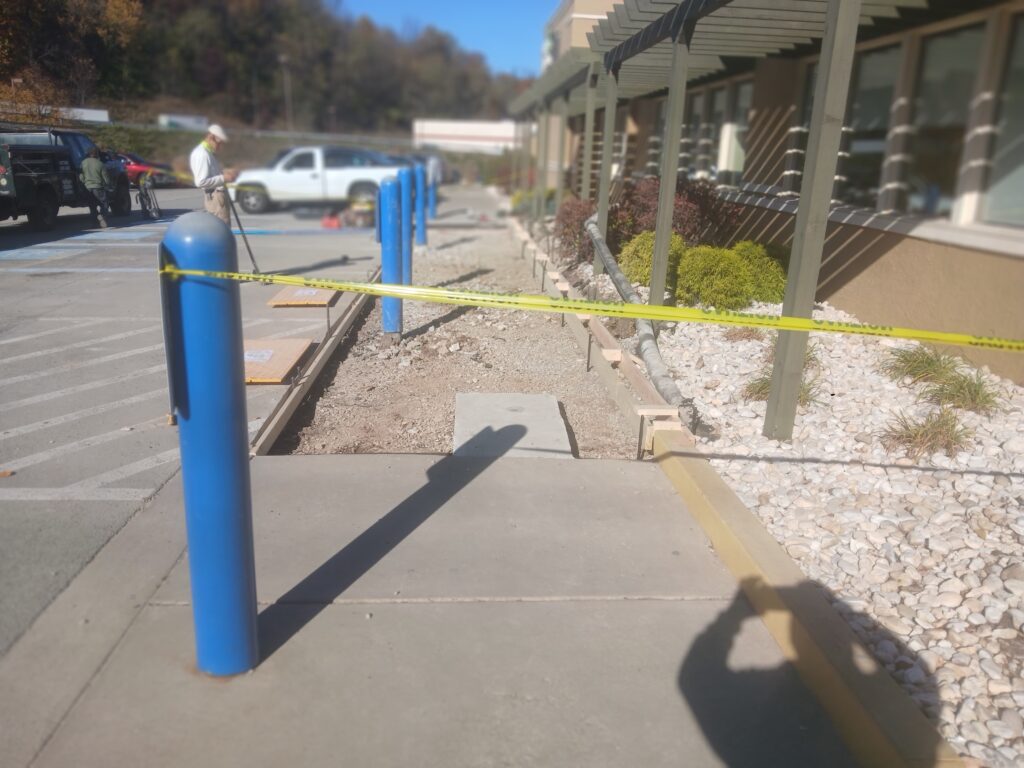
The sweet spot for addressing winter damage in Pittsburgh is typically late spring, once the threat of overnight freezing has passed and the ground has had a chance to dry out slightly, but before the intense summer humidity sets in. Temperatures consistently above fifty degrees Fahrenheit are generally required for most sealants and fillers to adhere correctly. Furthermore, repairing cracks in the spring ensures that the driveway is sealed and protected before the summer storms arrive. If you wait too long, the cycle of rain and sun will have already caused further erosion to the crack walls, making the eventual repair more difficult and less aesthetically pleasing.
Preventing Sub-Base Erosion
The most compelling reason to repair winter cracks immediately is to protect the foundation of your driveway. The pavement you see is only the wearing surface; the real strength comes from the stone and soil beneath it. When a crack opens up, it essentially destroys the roof over that foundation. Spring rains wash fine particles of soil away from the crack, creating voids underneath the slab. This process, known as pumping, is a primary cause of pothole formation and slab settlement. Once the support is gone, the pavement has no choice but to collapse into the void.
Need your patio repaved? Click here for our patio paving service.
By sealing cracks early in the season, you effectively reinstate the roof over your sub-base. You stop the water from scouring away the foundation and ensure that the load of your vehicles is evenly distributed across the ground. This preservation of the sub-base is what extends the lifespan of a driveway from fifteen years to twenty-five or thirty. Neglecting this maintenance leads to a phenomenon where the pavement seems to deteriorate all at once, but in reality, the foundation had been slowly eroding for years due to unsealed cracks.
The Economics of Early Intervention
There is a stark financial contrast between the cost of crack sealing and the cost of pavement replacement. Filling a crack is a maintenance task that involves minimal material and labor costs relative to the value of the asset. It is a preventative measure, much like changing the oil in a car to prevent engine failure. In contrast, once a crack has been allowed to propagate and undermine the slab, the repair often involves cutting out the damaged section, re-compacting the base, and pouring new material. This structural repair is significantly more expensive.
Furthermore, ignoring cracks can lead to liability claims if someone trips and falls on your property. In many municipalities, the homeowner is responsible for the condition of the sidewalk adjacent to their home. A jagged crack that heaved during the winter becomes a prime trip hazard. Addressing this promptly protects you from potential legal headaches. When you view pavement repair through the lens of asset management, the return on investment for early spring maintenance is incredibly high. Every dollar spent on sealing cracks now saves multiple dollars in premature replacement costs later.
Specific Considerations for Asphalt Driveways
Asphalt driveways have unique characteristics that dictate their repair schedule. Asphalt is a flexible pavement, meaning it is designed to give slightly under load. However, as it ages and oxidizes, the binder becomes brittle. Winter accelerates this aging process. When cracks appear in asphalt, they expose the binder to oxygen and UV rays, which harden the material further. If these cracks are left open, the asphalt around them will begin to ravel, meaning the stones will come loose and the crack will become a wide strip of rubble.
For asphalt, the use of hot rubberized crack fillers is often the gold standard. These materials are applied at high temperatures and bond to the asphalt walls, remaining flexible even when the pavement moves. Applying this type of filler in the spring allows it to expand and contract with the driveway through the heat of summer and the cold of the next winter. If you wait until the crack has raveled significantly, simple fillers will no longer work, and you will be forced to use patch mixes which are less attractive and often have a shorter lifespan.
Addressing Concrete Slabs and Walkways
Concrete behaves differently than asphalt; it is rigid and brittle. Cracks in concrete generally go through the entire depth of the slab. The concern here is not just waterproofing but also load transfer. If a crack is left unaddressed, the two sides of the broken slab begin to move independently. As a car drives over the crack, the leading edge of the slab is pushed down, and then the trailing edge is impacted. This rocking motion pumps water and mud out of the crack and destroys the joint.
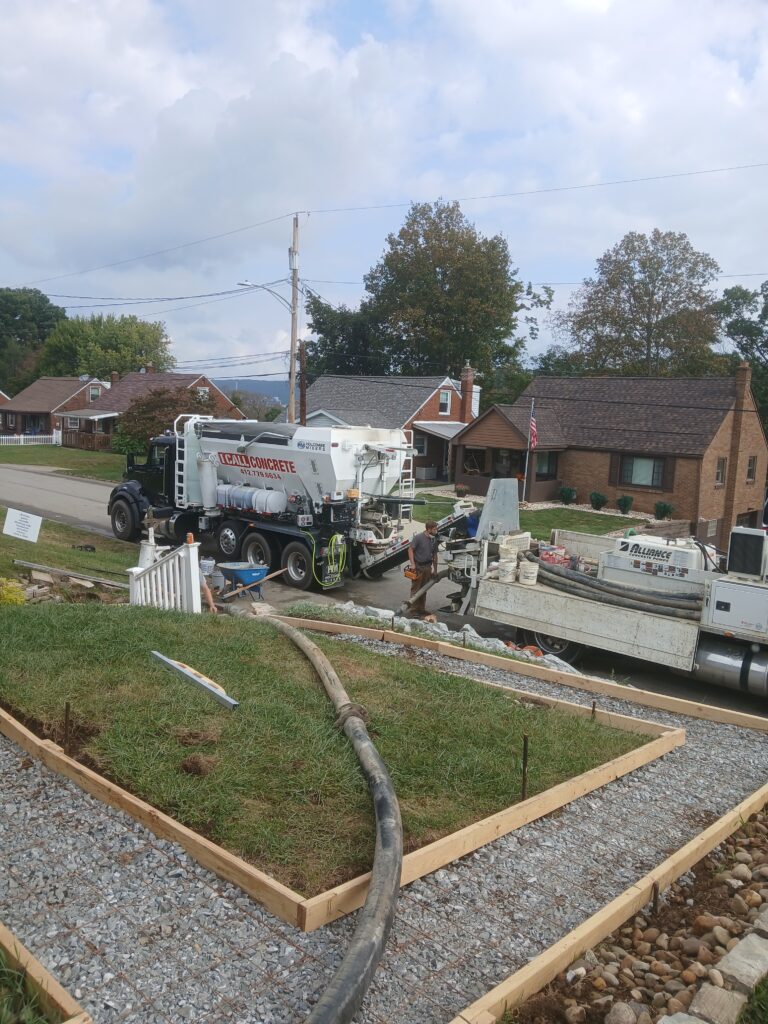
Repairing concrete cracks often involves using elastomeric sealants or, in structural cases, epoxy injections that “weld” the crack back together. This needs to be done before the independent movement of the slabs grinds the crack faces smooth. Once the aggregate interlock—the roughness that helps the two sides of the crack grip each other—is worn away, the slab becomes unstable. Catching this early in the spring, before heavy summer use, preserves that interlock and keeps the slab functioning as a single unit.
The Role of Professional Assessment
While some homeowners may be tempted to tackle crack repair with a tube of caulk from the hardware store, there is significant value in having a professional assessment from a service like RMK Concrete Services. A professional eye can distinguish between a simple shrinkage crack and a sign of sub-base failure. They can identify if the drainage around your driveway is contributing to the problem and suggest grading corrections that will prevent the cracks from returning next year.
Professionals also have access to commercial-grade materials that are not available to the general public. The sealants and fillers used by contractors typically have higher adhesion ratings, better flexibility at low temperatures, and longer service lives than consumer-grade products. Furthermore, proper preparation of the crack—cleaning it with compressed air or heat lances to remove vegetation and debris—is critical for a lasting repair. A professional crew has the equipment to perform this preparation thoroughly, ensuring that the repair holds up for years rather than just a few months.
The transition from winter to spring is a time of renewal, and that philosophy should extend to the hardscapes that surround your home. The cracks left behind by the freezing and thawing of a Pittsburgh winter are more than just eyesores; they are active threats to the longevity of your driveway and sidewalks. They represent vulnerabilities that, if left unsealed, will allow water to undermine the very foundation of your pavement. The window to address these issues effectively is narrow, relying on the favorable temperatures of spring to ensure proper adhesion and curing of repair materials.
Waiting until the damage becomes severe is a gamble that rarely pays off. The cost of early intervention is a fraction of the price of structural repair or total replacement. By choosing to repair winter cracks before they have a chance to widen and erode, you are making a smart investment in the value and safety of your property. Whether it is a small fissure in your walkway or a larger split in your driveway, the time to act is now, before the spring rains turn a minor maintenance task into a major construction project. Trusting this work to experienced professionals ensures that your paved surfaces remain strong, safe, and visually appealing for seasons to come.