
For many homeowners in Pittsburgh, the patio serves as an essential extension of the indoor living space, a sanctuary where summer evenings are enjoyed and autumn gatherings take place. It is the stage for family barbecues, the quiet corner for morning coffee, and the foundation for outdoor entertainment. However, like any structural element of a home exposed to the elements, patios have a finite lifespan. The harsh Pennsylvania climate, characterized by freezing winters, wet springs, and humid summers, exerts a relentless toll on materials like concrete, pavers, and stone. Over time, what was once a pristine and inviting surface can become a source of frustration, safety hazards, and aesthetic displeasure. Recognizing when a patio has passed the point of simple repairs and requires a full replacement is key to maintaining not only the value of your property but also the quality of your outdoor lifestyle.
Deciding to tear out an existing patio and start fresh is a significant commitment, often involving careful planning and financial investment. It is natural to want to extend the life of the current structure for as long as possible through patching and maintenance. Yet, there comes a moment when the cumulative damage outweighs the benefits of preservation. This tipping point is not always marked by a catastrophic failure but rather by a collection of persistent issues that degrade the functionality and safety of the space. Understanding the clear indicators of structural and functional obsolescence allows homeowners to make informed decisions about renovation. A new patio is not merely a cosmetic upgrade; it is an opportunity to correct underlying drainage problems, expand usable space, and utilize modern materials that offer superior durability against the local climate.
Deep Structural Cracks and Heaving
The most alarming and obvious sign that a patio has reached the end of its useful life is the presence of deep, structural cracks and significant heaving. While hairline cracks are common in concrete and can often be sealed, wide fissures that run through the depth of the slab indicate a failure of the sub-base or the material itself. In our region, the freeze-thaw cycle is a primary aggressor. Water penetrates small imperfections in the surface, freezes during the winter months, and expands. This expansion exerts tremendous pressure on the rigid materials, forcing them apart. Over multiple seasons, these cracks widen, becoming not just unsightly scars but active channels for water to reach the soil beneath. Once the sub-base is compromised by water infiltration, the stability of the entire patio is jeopardized, leading to uneven settling and shifting slabs.
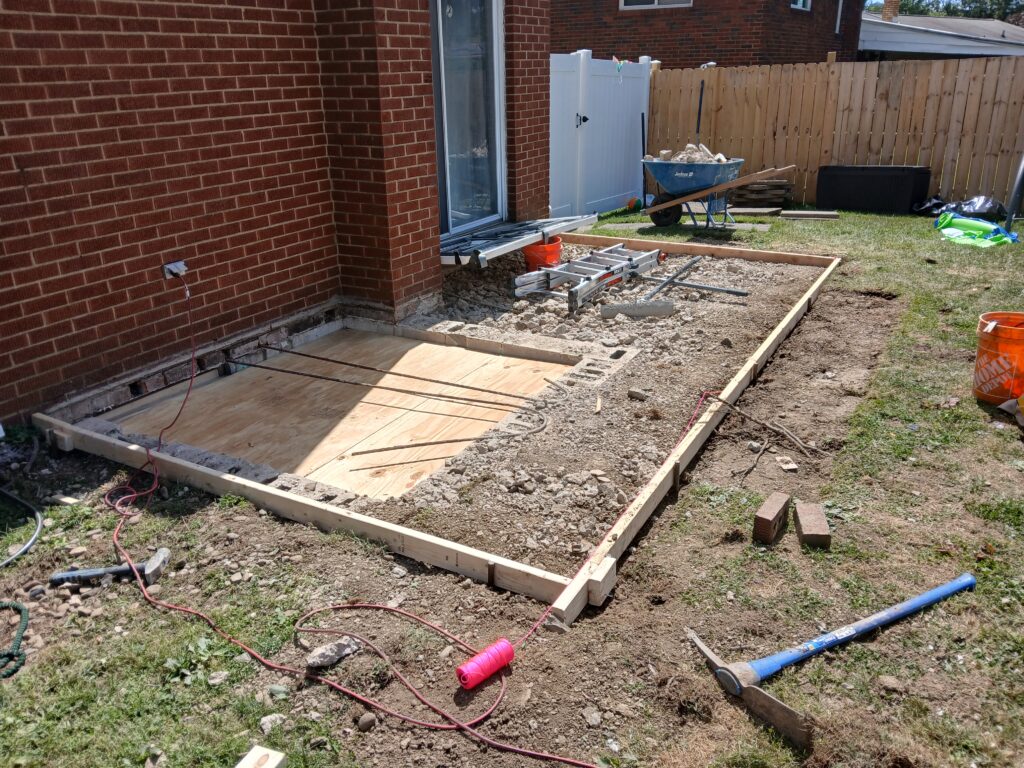
Heaving creates a landscape of tripping hazards that can make the patio dangerous for children, the elderly, and guests. When slab sections are pushed upward by frost or tree roots, or when they sink due to soil erosion, the resulting uneven surface is difficult to navigate. Furniture wobbles or sits at awkward angles, and the risk of stumbles increases significantly. Attempting to patch these wide, uneven gaps is rarely a long-term solution. The differential movement between the slabs will quickly break any bond formed by filler materials. When a patio resembles a broken jigsaw puzzle more than a cohesive platform, it suggests that the foundation is no longer viable. Replacement allows for the excavation of the old base and the installation of a new, properly compacted foundation that can support the patio for decades to come.
Persistent Drainage Issues and Pooling Water
A well-designed patio should shed water efficiently, directing it away from the home and into the yard or a designated drainage system. When you start to notice standing water pooling on the surface after a rainstorm, it is a clear indication that the grade of the patio has shifted or that the original design was flawed. Pooling water is more than a minor annoyance that wets your shoes; it is a destructive force. In the warmer months, these stagnant puddles become breeding grounds for mosquitoes and other pests, making the outdoor space unpleasant to use. Furthermore, constant moisture accelerates the growth of moss, mold, and mildew, which can make the surface incredibly slippery and hazardous to walk on.
Need a patio replacement? Click here for our patio paving service.
The implications of poor drainage extend beyond the patio itself. If the settling of the slab causes water to flow toward the foundation of the house rather than away from it, you risk significant water damage to your home’s structure. Water pooling against the foundation can lead to basement leaks, crawl space moisture, and even cracks in the home’s foundation walls. Correcting the grade of an existing concrete slab is virtually impossible without removing it. Mudjacking or slab jacking can offer temporary relief, but they often do not solve the underlying soil issues permanently. Replacing the patio provides the opportunity to regrade the entire area, installing proper drainage solutions like French drains or catch basins, and ensuring that the new surface has the correct pitch to protect your home and keep the patio dry.
Surface Deterioration and Spalling
Spalling, or scaling, occurs when the top layer of concrete flakes or peels away, exposing the rough aggregate underneath. This type of surface deterioration is frequently caused by the freeze-thaw cycle and the use of deicing salts during the winter. In Pittsburgh, where winter conditions can be severe, older patios that were not sealed or constructed with high-quality air-entrained concrete are particularly susceptible. As the surface erodes, the patio becomes rough, pitted, and uncomfortable to walk on with bare feet. The loose grit and debris tracked into the house become a constant nuisance. While resurfacing products exist, they rely on a sound substrate to adhere effectively. If the spalling is widespread and deep, the bond between the old concrete and the new overlay is likely to fail, leading to peeling and cracking of the new surface within a short time.

The aesthetic decline caused by spalling and pitting significantly detracts from the overall appeal of the backyard. A patio is often the focal point of landscape design, and a crumbling, weathered surface makes the entire property look neglected. Beyond the visual impact, the rough texture traps dirt and grime, making it nearly impossible to clean effectively. Pressure washing often exacerbates the problem by blasting away more of the weakened surface. When the material integrity has degraded to the point where maintenance is futile and the surface is essentially disintegrating, replacement is the only viable option to restore a smooth, durable, and visually pleasing finish. Modern pavers and stamped concrete options offer far greater resistance to spalling, ensuring that the new investment retains its beauty despite the harsh climate.
Outdated Design and Poor Functionality
Lifestyles change over time, and a patio that served its purpose twenty years ago may no longer meet the needs of the current homeowners. Perhaps the family has grown, requiring more space for dining and seating, or maybe the desire for an outdoor kitchen or fire pit has emerged. Older patios are often undersized, consisting of a simple, small rectangle that barely accommodates a table and chairs. They may be situated in a way that does not take advantage of the best views or sun exposure. When the physical constraints of the existing patio prevent you from using your outdoor space the way you want, it is a sign that the design is functionally obsolete. Trying to add on to an old patio can result in a disjointed look, with mismatched materials and settling rates that create seams and hazards.
Want to know how to prepare for your next concrete project? Click here for more information.
Design trends also evolve, and materials that were popular decades ago may now look dated and weary. Exposed aggregate concrete or small, generic pavers can clash with modern exterior renovations or updated landscaping. A patio replacement offers a blank canvas to redesign the outdoor living area completely. It allows for the creation of distinct zones for cooking, lounging, and dining, integrated with flowing curves or geometric patterns that complement the architecture of the home. It is an opportunity to install built-in lighting, seating walls, or pergolas that were not possible with the old layout. If you find yourself avoiding the patio because it feels cramped, uninviting, or out of step with your lifestyle, replacement is an investment in your quality of life and the usability of your property.
The Cycle of Frequent and Costly Repairs
There is a point of diminishing returns with any home maintenance project where the cost and effort of continual repairs exceed the value of the structure being saved. If you find yourself spending every spring filling cracks, restabilizing loose pavers, or scrubbing away deep-set stains only to see the problems return a few months later, the patio has likely reached the end of its lifespan. The money spent on sealants, patch kits, and professional cleaning services adds up over time. Moreover, patched concrete rarely looks good; the repair lines are often visible and unsightly, creating a scarred appearance that highlights the age and deterioration of the surface.

Constant maintenance is not only a financial burden but also a drain on your time. The hours spent fighting weeds that grow through widened joints or trying to level shifting stones are hours that could be spent enjoying the space with family and friends. A deteriorating patio demands attention but gives little back in return. By choosing to replace the patio, you reset the clock on maintenance. New materials and installation techniques minimize the need for upkeep. Interlocking pavers with polymeric sand, for instance, resist weed growth and shifting, while high-quality sealed concrete resists staining and spalling. Investing in a new patio transforms a labor-intensive liability into a low-maintenance asset that enhances your leisure time rather than consuming it.
The decision to replace a patio is significant, but it is often the most logical step when faced with deep structural issues, persistent drainage problems, or a layout that no longer serves your needs. In a climate like Pittsburgh’s, where the weather tests the limits of every building material, acknowledging the lifespan of outdoor structures is part of responsible homeownership. Holding on to a crumbling or heaving patio not only compromises safety and aesthetics but also prevents you from fully maximizing the potential of your outdoor living space. A new patio is more than just a fresh surface; it is a solid foundation for future memories, designed to withstand the elements and accommodate your lifestyle.
By addressing these five signs proactively, homeowners can transform a source of stress into a stunning retreat. The transition from a damaged, outdated slab to a beautifully designed, modern patio adds tangible value to the home and intangible value to daily life. It eliminates the worry of tripping hazards and water damage, replacing them with the anticipation of summer parties and relaxing evenings. When the repairs become constant and the flaws become impossible to ignore, it is time to look forward to the possibilities of replacement. With professional design and installation, a new patio can be built to endure the seasons, providing a durable and inviting landscape for years to come.