
Winter in Pittsburgh is notorious for its unpredictability and severity, bringing a mix of snow, ice, rain, and fluctuating temperatures that wreak havoc on paved surfaces. As the season transitions and the snow melts away, homeowners often look out at their driveways and sidewalks to assess what the colder months have left behind. It is not uncommon to find that the smooth surfaces present in autumn have been replaced by rough textures, cracks, or uneven slabs. The damage caused by winter weather is not always immediately catastrophic, but ignoring early warning signs can lead to significant structural failure and costly repairs down the line. Understanding exactly what to look for when inspecting your concrete or asphalt surfaces is the first step in maintaining the value and safety of your property.
The forces at play during a Pennsylvania winter are powerful and relentless. It is not merely the weight of the snow or the scraping of shovels that causes the most harm, but rather the microscopic interactions between water, temperature, and paving materials. Concrete and asphalt are porous materials, meaning they have tiny interconnected spaces that can absorb moisture. When precipitation falls as rain or snow melt, it seeps into these pores. If the temperature then drops below freezing, that trapped water expands as it turns to ice. This expansion exerts tremendous internal pressure on the material, and when the ice melts, it leaves behind voids and weakened structures. Over the course of a single winter, this freeze-thaw cycle can happen dozens of times, progressively breaking down the integrity of your driveway or sidewalk from the inside out.
Understanding the Freeze-Thaw Cycle in Pennsylvania
The freeze-thaw cycle is the primary antagonist for any paved surface in our region. While a single freeze might not cause noticeable destruction, the cumulative effect of repeated freezing and thawing creates stress fractures that grow over time. Identifying damage related to this cycle often involves looking for specific patterns that indicate internal stress. You might notice fine lines appearing in a spiderweb pattern across a concrete slab or small chunks of asphalt breaking loose from the main body of the driveway. These are not just surface blemishes but are often indicators that the internal cohesion of the material is failing.

One of the most insidious aspects of freeze-thaw damage is that it often starts beneath the surface. Water can accumulate in the sub-base, the layer of gravel or soil directly underneath the concrete or asphalt. When this sub-base freezes, it expands and pushes upward, causing the pavement above it to heave. When it thaws, the ground settles, but the pavement may not settle back evenly. This movement creates voids under the driveway where water can pool, further accelerating the deterioration process. Walking over a section of the driveway that feels hollow or sounds different when tapped can sometimes reveal these subsurface voids before they collapse into a pothole or sunken depression.
Identifying Surface Spalling and Pitting
One of the most common visual indicators of winter damage on concrete surfaces is spalling, also known as scaling. This occurs when the top layer of the concrete begins to flake or peel away, exposing the rough aggregate underneath. It often looks as though the surface has been chipped away with a small hammer or that thin layers of stone are delaminating from the slab. Spalling is frequently caused by the expansive force of water freezing in the top layer of the concrete, but it is also heavily exacerbated by the use of deicing salts. The chemical reaction between the salt and the concrete, combined with the physical pressure of ice crystallization, shatters the surface mortar.
Pitting is a similar form of distress but manifests as small, localized holes rather than large flakes. These pop-outs usually happen when moisture penetrates a specific piece of aggregate close to the surface. As that stone freezes and expands, it pops a cone-shaped piece of mortar off the top of the driveway. While pitting might seem like a purely cosmetic issue initially, these small craters collect water. During the next freeze, that trapped water expands and widens the pit, eventually turning small imperfections into large, hazardous craters. Inspecting the surface closely for these small divots is crucial, as catching them early can sometimes allow for resurfacing or sealing before the damage penetrates deeper into the slab.
Distinguishing Between Hairline and Structural Cracks
Cracks are perhaps the most obvious sign of distress in a driveway or sidewalk, but not all cracks indicate the same level of severity. Hairline cracks are very thin, often barely visible unless the surface is wet. These are typically shrinkage cracks that occur as concrete cures or experiences minor thermal expansion and contraction. While they may not pose an immediate structural threat, winter weather can exploit these tiny fissures. Water enters the hairline crack, freezes, and forces it open wider. What starts as a hairline fracture in November can become a gap wide enough to trip over by March. It is important to monitor these cracks to see if they are lengthening or widening as the season progresses.
Need your driveway replaced? Click here for our driveway paving service.
Structural cracks, on the other hand, are generally wider and may extend through the entire depth of the slab. These cracks often run diagonally or across the width of a driveway and can indicate that the sub-base has failed or shifted significantly. If you notice a crack that is wider than a quarter of an inch, or if one side of the crack is higher than the other, this is a serious issue that requires professional attention. In asphalt driveways, structural failure often presents as alligator cracking, which looks like the scales on a reptile’s back. This pattern indicates that the foundation of the driveway can no longer support the weight of vehicles, and the asphalt is flexing and breaking apart under the load.
Recognizing Displacement and Heaving Slabs
Heaving is a phenomenon directly related to the frost line in the soil. When the ground freezes deep below the surface, the moisture in the soil expands and pushes everything above it upward. Sidewalks are particularly prone to heaving because the individual slabs are lighter than a monolithic driveway pour. You may notice that one slab has been pushed up significantly higher than the adjacent one, creating a dangerous trip hazard. This vertical displacement is not only a safety risk for pedestrians but also a liability for homeowners, especially in Pittsburgh where local ordinances often hold property owners responsible for sidewalk maintenance.

Settlement is the opposite of heaving but is equally destructive. This occurs when the soil beneath the pavement erodes or compacts unevenly, causing sections of the concrete or asphalt to sink. You might spot this where the driveway meets the garage floor or where a walkway meets the front steps. If there is a sudden drop-off or if the slab is tilting toward the house, it indicates a loss of support underneath. Sinking slabs can lead to negative drainage, where water flows toward the foundation of your home rather than away from it, potentially causing basement leaks and foundation damage. Identifying these uneven areas requires walking the length of your property and looking at the profile of the pavement from different angles.
The Impact of Chemical Deicers on Concrete and Asphalt
The use of chemical deicers is a standard practice for managing ice and snow, but it comes with a heavy cost to paved surfaces. Many homeowners use rock salt or other chloride-based melters without realizing the chemical attack they are launching on their driveways. Sodium chloride, calcium chloride, and magnesium chloride all lower the freezing point of water, turning ice into slush. However, this creates a briny solution that is denser and can penetrate deeper into the concrete pores. Furthermore, these chemicals can be hydroscopic, meaning they attract and hold moisture, keeping the concrete saturated for longer periods and increasing the number of freeze-thaw cycles the material experiences.
Damage from chemical deicers often appears as a whitish residue that cannot be washed away, accompanied by a crumbling surface. On asphalt, certain chemicals can break down the petroleum-based binder that holds the aggregate together. This results in the asphalt becoming brittle and gray, losing its flexibility and water resistance. If you notice that your asphalt driveway looks exceptionally dry, pale, or that loose gravel is accumulating on the surface, it may be suffering from chemical degradation. Identifying this type of damage early is vital because once the binder is compromised, the pavement will rapidly disintegrate under the weight of vehicles.
Drainage Issues and Standing Water
Proper drainage is the unsung hero of a long-lasting driveway or sidewalk. Winter often exposes drainage flaws that are not apparent during the gentle rains of summer. As snow melts or during winter rainstorms, observe where the water goes. If you see puddles forming in the middle of your driveway or large pools of water collecting on your sidewalk, this is a clear sign of a problem. Standing water is the enemy of pavement, particularly in winter. If a puddle forms during the day and freezes at night, it acts as a wedge, driving apart the surface material and eroding the integrity of the slab.
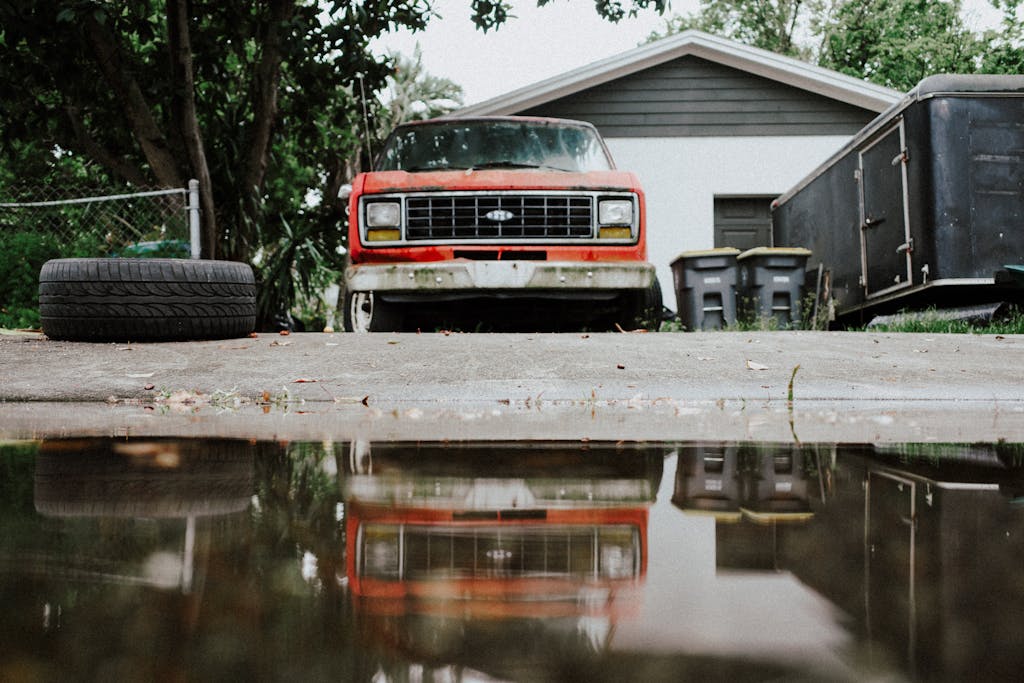
Depressions in asphalt, commonly known as birdbaths, are areas where the pavement has compressed or settled, allowing water to collect. Over time, the water in these depressions will break down the asphalt binder, eventually leading to a pothole. On concrete, low spots can lead to severe scaling and surface deterioration. Additionally, inspect the edges of your driveway where it meets the lawn. If the water runs off the side but pools against the concrete because the soil level is too high, it keeps the edge of the slab saturated. This saturation at the edges often leads to corner breaks and crumbling margins. Correcting these drainage issues often involves leveling the adjacent ground or resurfacing the pavement to restore the proper pitch.
Crumbling Edges and Joint Deterioration
The edges of a driveway or sidewalk are arguably the most vulnerable parts of the structure. They lack the lateral support that the center of the slab enjoys, making them susceptible to breaking off when heavy loads are applied near the perimeter. Winter exacerbates this vulnerability. Snowplows and shovels often clip the edges of the pavement, chipping away pieces of concrete or asphalt. Furthermore, if you drive off the edge of the driveway into the wet, soft soil, the lack of support can cause the edge of the asphalt to crumble away. Inspecting the perimeter of your paved surfaces for jagged, broken edges is a key part of spotting winter damage.
Expansion joints and control joints in concrete are designed to allow the slab to move without cracking randomly. However, the filler material in these joints can dry out, shrink, or pop out during the winter. When the joint sealant fails, it opens a direct highway for water to enter the sub-base. Weeds may also begin to grow in these open joints come spring, further forcing the slabs apart. Check the lines between your concrete slabs to ensure the joint material is intact and pliable. If the joints are empty or filled with debris, water is undoubtedly penetrating beneath the slab, setting the stage for heaving and settlement in the future.
When to Consider Repair versus Replacement
Determining whether the winter damage you have identified requires simple repairs or a full replacement is a nuanced decision. Minor surface damage, such as light spalling or hairline cracks, can often be addressed with patching compounds, resurfacing products, or sealants. These maintenance tasks, if performed correctly and at the right time, can extend the life of your driveway by several years. For example, sealing cracks prevents water ingress, halting the freeze-thaw cycle in that specific area. Applying a surface sealer to concrete can help protect it from salt damage and moisture absorption.
Want to know if concrete should be repaired or replaced? Click here for more information.
However, if the damage is structural, encompassing deep cracks, significant heaving, or widespread alligator cracking in asphalt, surface repairs will likely be temporary bandages on a terminal wound. If more than a third of the surface area is damaged, or if the base has failed causing major settlement, replacement is often the more distinct economic choice in the long run. Continually patching a failing driveway can quickly become more expensive than installing a new, properly engineered surface. Assessing the depth and breadth of the damage objectively is essential. While a few cracks are inevitable in the Pennsylvania climate, a network of deep fractures suggests that the pavement has reached the end of its serviceable life.
The transition from winter to spring in Pittsburgh reveals the toll that the elements have taken on our homes and landscapes. Your driveway and sidewalks are the functional welcome mats to your property, and their condition reflects both on curb appeal and safety. By taking the time to carefully inspect these surfaces for the signs of freeze-thaw damage, salt degradation, and structural displacement, you are taking a proactive stance in property maintenance. Catching a small crack before it becomes a pothole or identifying a drainage issue before it undermines a slab can save significant time and money.
It is easy to overlook the gray expanses of concrete and asphalt that we walk and drive on every day, but they are complex systems that require care. The harsh reality of our local climate means that no pavement is immune to wear and tear. However, with vigilance and a basic understanding of the mechanics of winter damage, you can effectively manage the health of your hardscapes. Whether it is a simple matter of sealing cracks or a more involved need for slab stabilization, recognizing the symptoms of winter distress is the critical first step toward restoring the integrity and beauty of your surfaces.